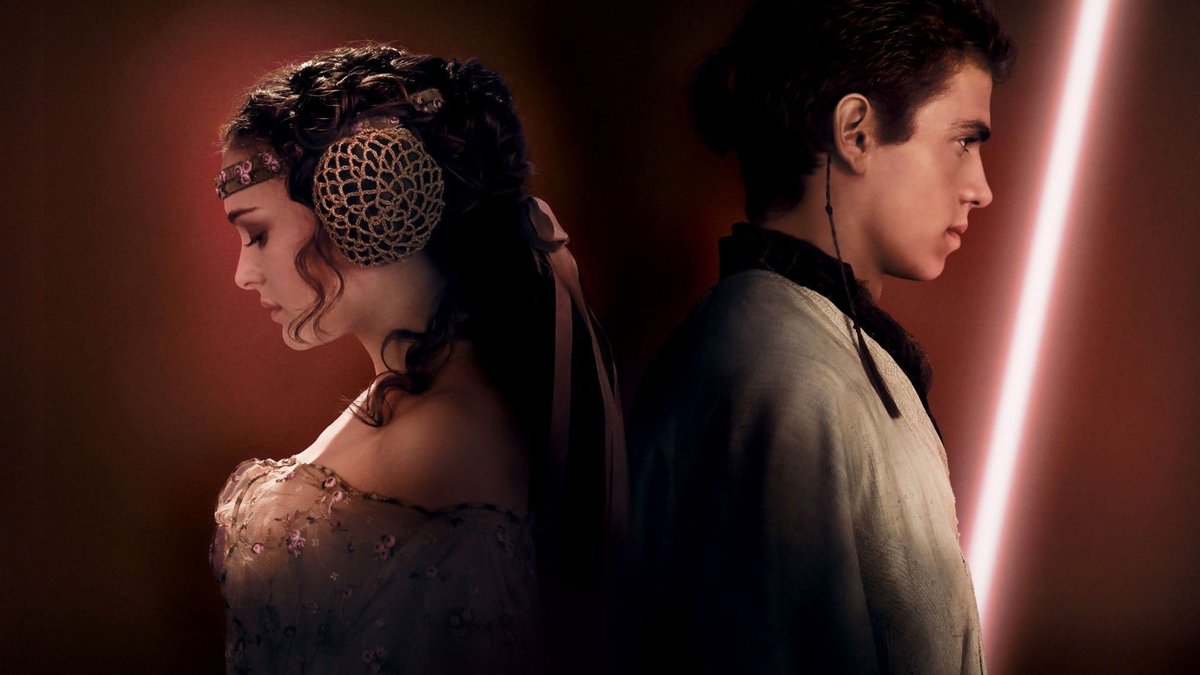
Even years later, the cringe-worthy declarations of love between Anakin Skywalker and Padmé Amidala in Star Wars: Episode II - Attack of the Clones remain a hotly debated topic among fans. What was intended to be the emotional core of the prequel trilogy often felt... well, clunky. You know the scene: the awkward confessions, the infamous "I don't like sand" monologue, and a chemistry that struggled to ignite despite the universe-altering stakes. But what if there was a simple fix, a deleted scene that could have fundamentally improved The Forbidden Romance: Anakin and Padmé in Episode 2 by simply letting them interact with something universally relatable: family?
This isn't just about tweaking a few lines; it's about understanding how a seemingly small interaction could have grounded a galaxy-spanning love story, making it more believable, more human, and ultimately, more tragic.
At a Glance: Why Padmé's Family Could Have Redeemed the Romance
- The romance between Anakin and Padmé in Attack of the Clones is widely criticized for its awkward dialogue and lack of believable chemistry.
- A deleted scene featured Anakin and Padmé having dinner with Padmé's family on Naboo, which was cut from the final film.
- This scene allowed external characters (Padmé's sister and mother) to acknowledge the obvious romantic tension, making it more realistic than the isolated, secret interactions.
- Anakin displayed uncharacteristic honesty with Padmé's father about the danger she faced, showcasing a healthier communication style than he had with the Jedi.
- Introducing Padmé's family would have provided a grounded perspective on their forbidden relationship, contrasting with the Jedi Order's disapproval.
- The scene would have strengthened their bond by allowing them to be seen and supported by others, adding depth to their eventual secret marriage.
The Problem with Paradise: Why Anakin and Padmé's Love Stumbled
Let's be honest, Attack of the Clones has had a rough ride. For years, it was widely considered the weakest link in the prequel trilogy, and a significant portion of that criticism landed squarely on the shoulders of Anakin Skywalker and Padmé Amidala's burgeoning romance. George Lucas intended for their connection to mirror the iconic, forbidden spark between Han Solo and Princess Leia in The Empire Strikes Back. Both involved an age gap, intense circumstances, and a pivotal, interrupted kiss. Yet, where Han and Leia's banter and simmering tension felt authentic, Anakin and Padmé's declarations often veered into the theatrical, leaving many viewers scratching their heads rather than swooning.
The stakes for their relationship couldn't have been higher. This was the love story meant to be the linchpin of the entire saga – the forbidden attachment that would eventually lead to Anakin's fall, the birth of Luke and Leia, and the ultimate destruction of the Jedi Order. For such a monumental narrative to rest on a foundation perceived as flimsy, it became a significant hurdle for many fans to overcome.
Dialogue like Anakin's now-infamous "I don't like sand. It's coarse and rough and irritating and it gets everywhere" monologue, while having found a second life in meme culture, was initially met with groans. It's hardly a smooth pickup line, nor does it effectively convey the deep, yearning passion required for such a central romance. Lucas struggled to show the genuine chemistry between the two, leaving audiences to simply accept their love rather than truly feel it.
The primary issue often boils down to isolation. Much of their "courtship" occurs in secluded, picturesque locations – the rolling hills of Naboo, the lakeside retreat – where they are almost entirely alone. While intimacy often thrives in privacy, true relationship development, especially a forbidden one, also benefits from how it withstands and is perceived by the outside world. Without those external touchpoints, their interactions often felt contrived, existing in a vacuum where emotions were stated rather than organically developed.
A Glimpse of What Could Have Been: The Naberrie Family Dinner
Imagine a different scene, one that would have injected a much-needed dose of realism and human connection into their burgeoning relationship. In a pivotal deleted scene from Attack of the Clones, Anakin accompanies Padmé to her family home on Naboo, where they share a meal with her parents and sister, Sola Naberrie.
This seemingly innocuous family dinner stands in stark contrast to the majority of Anakin and Padmé’s on-screen romance. Instead of whispered secrets in idyllic isolation, we see them in a grounded, domestic setting, forced to interact with others who know Padmé intimately. As they gather around the table, the familial dynamic immediately shifts the tone. Padmé’s sister, Sola, with a knowing grin, teases that Anakin is the "first boyfriend" Padmé has ever brought home. Padm��, ever the composed senator, quickly shuts down the suggestion, insisting Anakin is not her boyfriend – much to Anakin's visible annoyance.
This simple exchange, brimming with the natural humor and awkwardness of meeting the family, would have been invaluable. It allows for the romantic subtext, which was supposed to be simmering between Anakin and Padmé, to be acknowledged by external characters. Sola and her mother observe the way Anakin looks at Padmé, picking up on cues that the audience was largely left to infer. This isn't Anakin creepily wooing Padmé in a secluded grotto; this is a family, watching and reacting to an obvious connection, making it undeniably more believable and relatable.
The Power of Third-Party Validation: Why External Eyes Matter
One of the greatest struggles of the Anakin and Padmé romance was its insularity. It felt like an internal monologue rather than a dynamic interaction. The deleted family scene acts as a crucial third-party validator for their feelings. When Padmé’s sister and mother tease her, they essentially voice the audience’s unspoken observations, making the romance feel less like a narrative imposition and more like a naturally unfolding connection.
Think about it: most compelling love stories, even forbidden ones, have moments where their feelings are exposed, either intentionally or accidentally, to others. This external perception forces characters to confront their emotions, adds stakes, and makes the relationship feel more real. In the existing film, the "forbidden" aspect is mostly internal or dictated by Jedi rules. With the Naberries, it’s about how their choices ripple through their personal lives, grounding the galactic stakes in domestic reality.
Unlike the rigid Jedi Order, which would later shun or scold Anakin for his attachments, Padmé’s parents appear to want the best for their daughter. They don't seem to hold any immediate objections to Anakin during their brief meeting. This creates a valuable counterpoint to the Jedi's austere worldview. It shows Anakin interacting with a loving, supportive family unit – something he largely missed out on after leaving his mother. This interaction could have subtly highlighted the emotional void the Jedi failed to fill, inadvertently pushing him towards Padmé as his sole source of affection.
Anakin's Moment of Honesty: A Glimpse into a Different Path
Perhaps the most crucial impact of the deleted scene lies in Anakin’s behavior. When Padmé’s mother brings up the assassination attempts on her daughter, Padmé vehemently denies any real danger, trying to downplay the threat. However, when her father turns to Anakin and asks directly about the situation, something remarkable happens: Anakin is completely upfront and honest.
"He lies to almost everyone about his relationship with Padmé for the rest of the prequels," as ScreenRant points out. Yet, in this moment, with Padmé's family, he is sincere. He doesn't go along with her lie or minimize the peril she faces. He expresses his genuine desire to protect her, laying bare his fears and commitments.
This honesty is profoundly out of character for the Anakin we often see – the one who is secretive, prone to deception, and struggles with open communication, especially about his attachments. This deleted scene paints a picture of an Anakin capable of healthy rapport, particularly with a supportive family structure. It starkly contrasts with the Jedi Order's approach, which, by discouraging attachment and emotional transparency, ironically fails Anakin's Journey in Episode 2 to develop his emotional intelligence and communication skills. His openness with the Naberries suggests that perhaps, with different guidance or a different environment, Anakin might have found a healthier way to navigate his forbidden love and intense emotions.
This single interaction strengthens not only Anakin's relationship with Padmé but also the entire emotional core of Attack of the Clones. It gives us a genuine reason to believe in his protective instincts and the burgeoning depth of his feelings, moving beyond merely awkward dialogue to something more profoundly human.
The Contrast: Han & Leia vs. Anakin & Padmé
To truly appreciate what the Naberrie family scene could have offered, it's helpful to revisit the comparison to Han and Leia. Both relationships share structural similarities: a powerful woman, her protector, a significant age gap, and a forbidden intimacy. Yet, The Empire Strikes Back soared where Attack of the Clones stumbled.
Why? Part of it comes down to dialogue and performance, yes. But a significant factor is how their relationship develops amidst others and how those others react. Think of Leia’s frustration with Han, Luke’s occasional jealousy, Lando’s familiarity, and even Chewbacca’s grumpy acceptance. Their relationship isn't just about them; it’s shaped by and observed through the prism of their friends and allies. When Han says "I know" to Leia's "I love you," it lands because we’ve seen their dynamic play out, not just in isolation, but also in command centers, on ice planets, and during tense escapes.
Anakin and Padmé, by contrast, are largely isolated in their romantic development. The deleted family scene would have provided that crucial "external witness" element. It would have shown Padmé dealing with her family's perceptions, and Anakin navigating the social dynamics of her world. This makes their connection feel less like a narrative shortcut and more like an organic bond that affects others, adding weight to its clandestine nature.
Rehumanizing the Hero: Why Relationships Need Real-World Roots
The impact of the Naberrie family scene extends beyond simply making the romance more palatable; it fundamentally humanizes both Anakin and Padmé. For Padmé, we see her in a role beyond Senator: a daughter, a sister, subject to family teasing and concern. This grounds her, reminding us that despite her political prowess, she is also a young woman with a personal life and vulnerabilities.
For Anakin, the scene is even more transformative. He's often depicted as emotionally stunted, arrogant, and isolated, a product of his Jedi upbringing. But here, he shows a side of himself that is honest, caring, and capable of forming genuine connections outside the rigid strictures of the Jedi Order. It's a glimpse into the Anakin he could have been, a stark reminder of the path not taken, and the potential for a healthier emotional life that was ultimately stifled.
The scene highlights a critical failing of the Jedi: their inability to provide holistic emotional support for their younglings, especially those like Anakin with deep-seated attachments and trauma. While the Jedi preach detachment, they offer little in the way of healthy processing for emotions like love, fear, or loss. The Naberrie family, by simply being a family, offers a stark contrast – a space for open communication, gentle teasing, and unconditional support. This interaction inadvertently strengthens the very attachment the Jedi forbid, but it does so in a way that feels natural and compelling.
Addressing Common Questions: Missed Opportunities and Narrative Impact
- Why was the scene cut? While no definitive reason is usually given for every deleted scene, often it comes down to pacing, runtime, or perceived redundancy. In this case, it's a tragic loss, as its narrative and character benefits far outweigh any minor time saving.
- Would one scene really have made that much difference? Absolutely. Cinema is often about pivotal moments. This scene isn't just dialogue; it's a dynamic that shifts perceptions. It offers concrete evidence of their mutual attraction being visible to others, and of Anakin's capacity for sincerity. It creates a baseline of believability from which the rest of the romance could have developed.
- Does this mean the whole prequel romance is flawed? Many fans would argue yes, but this scene shows it didn't have to be. It highlights a specific structural issue (lack of external validation) and offers a clear, viable solution that was unfortunately left on the cutting room floor.
The Unseen Foundation: Building a Stronger Narrative
Ultimately, the deleted Naberrie family dinner scene is a powerful example of how crucial seemingly small interactions can be in building a compelling narrative, especially for something as fundamental as The Forbidden Romance: Anakin and Padmé in Episode 2. It offers a blueprint for how a forbidden love can still feel grounded and relatable.
By showing Anakin and Padmé interacting within a normal family unit, the scene would have:
- Legitimized their mutual attraction: External observation makes it undeniable.
- Humanized the characters: Revealing new facets of Padmé as a daughter/sister and Anakin as a potentially honest and caring individual.
- Provided crucial context for Anakin's emotional development: Highlighting the contrasting emotional support (or lack thereof) from the Jedi versus a traditional family.
- Strengthened the core relationship: Making their eventual secret marriage and tragic trajectory feel earned, rather than rushed or contrived.
It's a testament to the power of "show, don't tell." Instead of telling us Anakin and Padmé are in love, this scene would have shown us why people around them (and by extension, the audience) would believe it. It would have transformed their romance from a frequently mocked subplot into a more robust, believable foundation for the entire Star Wars saga's heartbreaking tragedy. While we can only speculate about the impact it might have had, the evidence suggests that a little family time could have made all the difference in a galaxy far, far away.