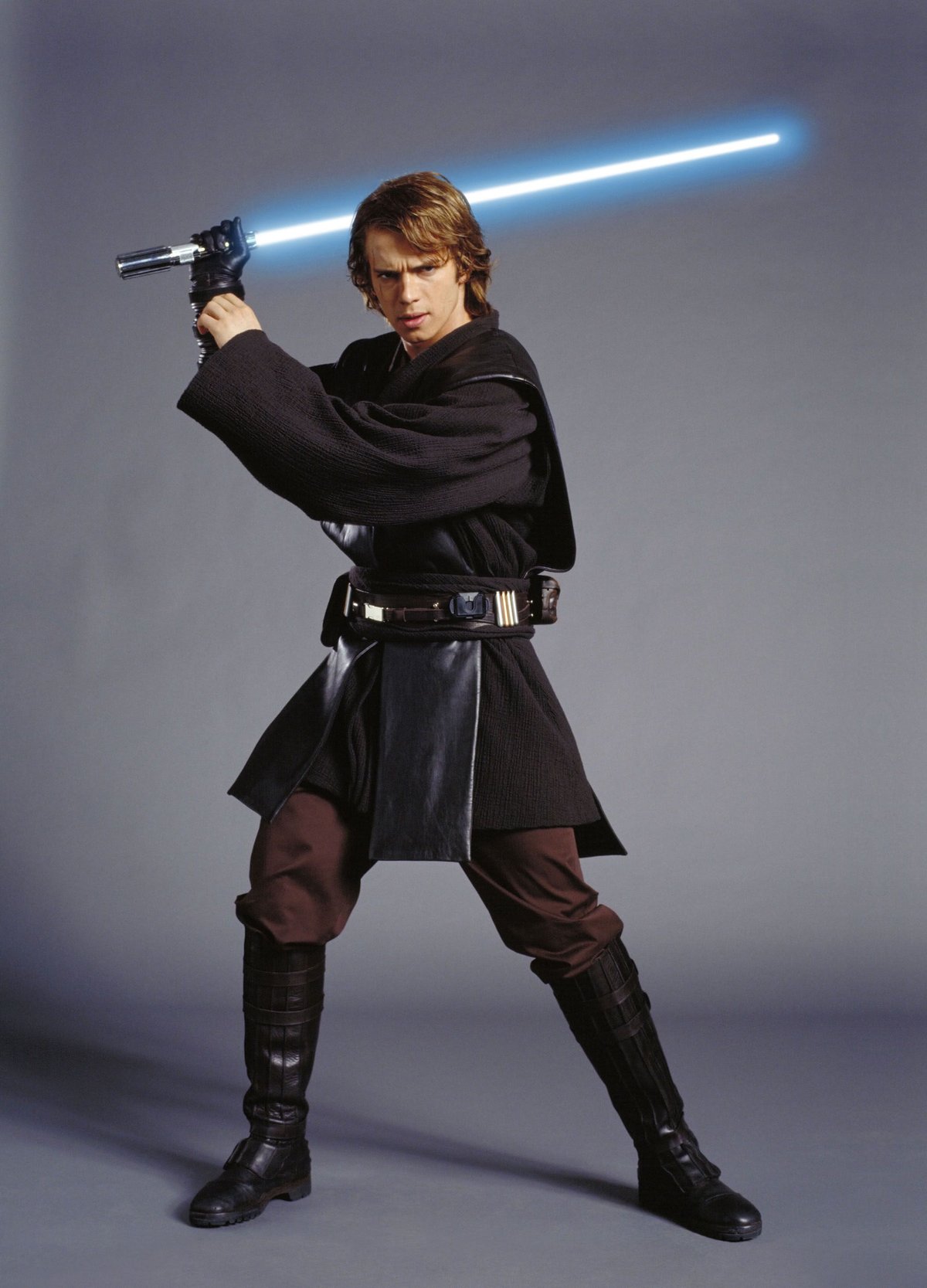
The Jedi Council's Perception of Anakin Skywalker in Episode 2 was tragically flawed, a blind spot that set the galaxy on a collision course with darkness. Far from seeing him as a complex individual desperately needing tailored guidance, they viewed him largely through the lens of prophecy and rigid doctrine, misunderstanding his emotional volatility and the profound impact of their own past actions. This misjudgment culminated in decisions that directly accelerated his descent, particularly during his assignment protecting Padmé Amidala.
At a Glance: The Council's Critical Missteps
- Misjudged Emotional Maturity: They saw a powerful prodigy but underestimated the profound emotional immaturity and trauma driving Anakin.
- Ignored Attachments: Despite knowing his history and emerging feelings, they dismissed his attachments as minor distractions rather than fundamental dangers.
- Flawed Assignment: Sending him alone with Padmé Amidala on Naboo was an epic failure of judgment, providing the perfect environment for forbidden romance to blossom.
- Failed to See Systemic Impact: They didn't connect their past inaction (like freeing Shmi) to Anakin's deep-seated resentment and vulnerability.
- Contributed to His Fall: Their collective oversight and detached approach became a significant catalyst for his eventual betrayal of the Jedi Order.
The Unseen Cracks: A Council Blinded by Prophecy and Dogma
From the moment young Anakin Skywalker was discovered on Tatooine, a profound tension existed between his raw power and the Jedi Council's traditional, often inflexible, understanding of the Force. In Episode II: Attack of the Clones, this tension was palpable, manifesting as a collective inability to truly comprehend the complex, deeply troubled young man beneath the "Chosen One" veneer. The Council, steeped in centuries of stoicism and emotional detachment, simply lacked the framework to understand an individual as intensely passionate and emotionally scarred as Anakin.
The Prodigy, Not the Person
The Jedi Council's initial reluctance to train Anakin at all, due to his age and existing attachments, hinted at their underlying apprehension. While Qui-Gon Jinn's dying wish ultimately swayed them, this early skepticism never fully dissipated. Instead, it seems to have morphed into a cautious, almost distant, observation. They recognized his immense potential – perhaps the greatest they had ever seen – but struggled to see him as a person first. He was a force to be managed, a prophecy to be fulfilled, rather than a student in dire need of personalized emotional and spiritual guidance. This meant that much of Anakins journey in Episode 2 was navigated without the deep empathetic insight he truly needed from his mentors.
Obi-Wan Kenobi, Anakin's direct master, exemplified this disconnect. While he loved Anakin like a brother and was deeply invested in his training, even he struggled to bridge the gap. When Anakin confessed his burgeoning feelings for Padmé, Obi-Wan dismissed it as "boyish infatuation," failing to recognize the intensity and danger of Anakin's attachments. The Council, in turn, often relied on Obi-Wan's reports without delving deeper into Anakin's emotional state, exacerbating the problem. They were more concerned with adherence to the Jedi Code than with understanding the human (or Miralukan, or Twi'lek) heart, a fundamental oversight in Jedi Council’s failings with Anakin throughout Anakin's life.
The Critical Misstep: Assigning Anakin to Padmé on Naboo
Perhaps the most damning evidence of the Jedi Council's flawed perception in Episode II was their decision to assign Anakin Skywalker as Padmé Amidala's protector on Naboo. This wasn't merely a tactical blunder; it was a profound misreading of Anakin's character, his emotional state, and the very code the Jedi claimed to uphold.
A Spark Ignites: Why This Was a Terrible Idea
Consider Anakin's known profile at this point:
- Recklessness and Ego: He frequently flaunted rules, pursued his own desires, and displayed a strong sense of entitlement, often clashing with Obi-Wan.
- Pre-existing Enamorment: Obi-Wan himself noted Anakin's attraction to Padmé, even if he dismissed it as harmless. Anakin had openly expressed his infatuation since childhood.
- Lack of Emotional Control: His temper was legendary among his peers, and he struggled with anger and frustration, emotions the Jedi sought to suppress.
Placing such an emotionally volatile, attachment-prone individual, known for his disregard of rules, in prolonged, intimate proximity with the very object of his affection was, in hindsight, an act of sheer negligence. It provided the ideal, almost guaranteed, environment for Anakin and Padmé's burgeoning romance to blossom, setting the stage for their secret marriage and, ultimately, Anakin's desperate fear of losing her.
The Flawed "Test" Theory
Some theories suggest the Council might have intended this mission as a test – a trial where Anakin would have to choose between his Jedi vows and his personal desires. If this was indeed their intention, it was astonishingly ill-conceived and poorly executed.
First, Anakin had a demonstrated history of not choosing the path prescribed by others when it conflicted with his deeply held desires. Expecting him to suddenly adhere to the Jedi Code under such intense emotional pressure was naive.
Second, and perhaps more critically, if it was a test, the Council failed entirely to "grade" it. There was no follow-up, no discussion, no intervention when it became clear the emotional lines were blurring. They sent him into a moral and emotional minefield and then walked away, leaving him to navigate it alone. This hands-off approach only further isolated Anakin and reinforced his belief that his feelings and attachments were something to be hidden, fostering secrecy rather than trust.
Echoes of the Past: How Prior Decisions Shaped Episode 2's Perceptions
The Council's flawed perception of Anakin in Episode II wasn't an isolated incident; it was the culmination of years of systemic issues and a recurring inability to connect with him on a deeply personal level. Past decisions, or rather the lack thereof, cast long shadows over their interactions with the burgeoning Jedi Knight.
The Lingering Wound of Shmi Skywalker
One of the most significant factors influencing Anakin's inner turmoil, largely unaddressed by the Council, was the fate of his mother, Shmi Skywalker. The Jedi Order, bound by mandates against personal intervention and attachment, never acted to free Shmi from slavery on Tatooine. Anakin, forbidden by his training from doing so himself, carried this burden of powerlessness and guilt.
By Episode II, this unresolved trauma festered beneath the surface, exploding into a rage-fueled massacre of the Tusken Raiders after Shmi's death. The Council, from afar, likely saw only a powerful, perhaps dangerous, display of uncontrolled emotion, rather than recognizing the profound grief and resentment stemming from their own inaction. This profound emotional vulnerability was a clear blind spot, one that Palpatine would later exploit with devastating precision. The Council's general detachment meant they couldn't see how heavily the Jedi Council's relationship with Anakin was poisoned by this historical context.
The Burden of "The Chosen One"
Adding to the complexity was the burden of the Chosen One prophecy. While the Council debated its meaning, they simultaneously placed immense, often contradictory, expectations on Anakin. He was meant to bring balance to the Force, yet his individual desires and emotional needs were consistently subjugated to this grander, abstract purpose.
Did they see him as a savior to be guided, or a ticking time bomb whose immense power necessitated strict control? The perception was likely a mixture of both, creating an environment where suspicion often overshadowed genuine mentorship. This dynamic subtly undermined Anakin's trust in the Order, making him feel like a tool rather than a valued member.
The Unforeseen Aftermath: Catalysts for Betrayal
The Jedi Council's misjudgments in Episode II, particularly regarding the Naboo assignment, weren't isolated incidents with contained consequences. They were crucial dominoes in a chain reaction that ultimately led to the fall of the Republic and the rise of the Empire. The decisions made, or avoided, in this period directly paved the way for Anakin's growing disillusionment and susceptibility to manipulation.
The blossoming romance with Padmé, fostered by the Council's short-sighted assignment, became the core of Anakin's greatest fear: loss. This fear, forbidden by the Jedi Code and forced into secrecy, created an internal schism. Anakin learned that his deepest emotional needs had no place within the Order, pushing him further into isolation and making him an easier target for Palpatine's insidious influence.
This emotional and psychological distance, exacerbated by other later events like the Council's handling of Ahsoka Tano's trial (as explored in other canonical accounts), solidified Anakin's distrust. The the Jedi's repeated mistakes with Anakin compounded over time, leaving him feeling betrayed, misunderstood, and ultimately, alone. The Council, by failing to address his profound emotional needs and by making questionable strategic decisions rooted in a flawed perception of his character, inadvertently created the very monster they sought to prevent.
Beyond the Surface: Addressing Common Misconceptions
When looking back at the tragic events of Star Wars: Episode II - Attack of the Clones and its aftermath, it’s easy to assign blame. But understanding the Jedi Council's perception, and its failures, requires moving beyond simple accusations to a deeper analysis of systemic issues and complex characters.
Was the Council Deliberately Malicious?
No, it's highly unlikely the Jedi Council acted with malicious intent towards Anakin. Their actions, or inactions, stemmed primarily from adherence to deeply ingrained doctrines, a degree of intellectual arrogance, and a fundamental misunderstanding of the individual they were tasked with guiding. They believed their ways were righteous and necessary for maintaining peace and balance. Their errors were those of oversight, detachment, and an inability to adapt their rigid philosophy to an unprecedented individual, rather than outright malice. They were victims of their own dogma, unable to see the forest for the trees.
Couldn't Obi-Wan Have Done More?
Obi-Wan Kenobi was indeed closer to Anakin than anyone else in the Order, and his dismissal of Anakin's feelings for Padmé was a significant misstep. However, Obi-Wan himself was a product of the Jedi system. He was a loyal, by-the-book Jedi Master who, like the Council, struggled with emotional expression and understanding. He saw Anakin's "infatuation" through the lens of Jedi teaching, which dictated such attachments were dangerous and fleeting. While he could have been more proactive, he was also constrained by the very rules and perceptions that bound the Council. To expect him to unilaterally defy the Jedi Code to address Anakin's emotional needs might be asking too much of an individual steeped in generations of tradition.
Was Anakin Solely to Blame?
Absolutely not. While Anakin’s choices were ultimately his own, portraying his fall as solely his fault ignores the powerful external forces and systemic failures that shaped him. The Jedi Council's flawed perception, their inadequate guidance, their past inactions regarding his mother, and their poorly conceived assignments all played a significant role. Coupled with Palpatine's masterful manipulation, Anakin was caught in a web of circumstances and psychological pressures that would challenge even the most emotionally mature individual. His betrayal was not a spontaneous act but the culmination of catalysts for Anakin’s turn to the dark side that began long before Episode III.
The Weight of Insight: Lessons from a Galactic Tragedy
The story of the Jedi Council's perception of Anakin Skywalker in Episode II serves as a powerful, cautionary tale, offering profound lessons not just for fictional galactic orders, but for leadership, mentorship, and even personal relationships in our own world.
First, it underscores the critical importance of understanding the individual beyond their role or potential. The Council saw Anakin as the "Chosen One," a prodigy, a problem to be managed. They failed to see the traumatized boy who had lost his mother, the young man wrestling with intense, forbidden emotions, or the insecure student desperate for approval and true belonging. Leaders and mentors must strive to connect with the human beings they guide, recognizing their unique histories, vulnerabilities, and emotional landscapes.
Second, the Council's story highlights the dangers of rigid doctrine in the face of complex human emotions. While codes and principles provide structure, an inflexible adherence to dogma, especially one that demands the suppression of natural human emotions like love and fear, can be catastrophic. True wisdom lies in knowing when and how to adapt principles to fit individual circumstances, offering guidance rather than absolute, unyielding rules.
Finally, the Jedi Council's failures emphasize the necessity of proactive, empathetic mentorship. Instead of simply assigning tasks or observing from a distance, effective mentors actively engage, listen, and provide tailored support. They anticipate pitfalls, address emotional struggles, and build trust that allows for honesty rather than secrecy. Had the Council and even Obi-Wan approached Anakin's emotional development with the same rigor and attention they applied to his lightsaber training, the galaxy's fate might have been entirely different. Their perception in Episode II wasn't just flawed; it was a testament to the devastating consequences of intellectual distance and emotional blindness.